UX Research Portfolio

Hi, I'm
Melanie Gierszal

and I'm curious.

About

Research that
moves the needle

I'm curious—a UX Researcher who takes ownership and initiative. Proactive and committed.

As a cognitive scientist at heart, I'm trained to ask the right questions and read between the lines. Being multilingual lets me hear users in their own words; an analytical mind turns what they say into what they need.

I thrive as a project leader when leading cross-functional work that balances user needs with business goals. Turning research into revenue. Moving the needle.

10+
Years Experience
50+
Research Projects
6
Languages
16
Research Methods

Degrees

M.A. in Cognitive Science
Human-Computer Interaction
Cognitive Neuropsychology
Postgraduate in Business Planning and Strategy
B.A. in Applied Linguistics
Intercultural Communication
Translations

Selected Work

Case Studies

Leading Conversion Optimisation Team

Cross-functional Team Leadership Conversion Optimization A/B Testing Workshop Facilitation Design Thinking Hypothesis Prioritization

Established and led a conversion optimization practice as UX Lead Researcher, turning stakeholder ideas into a pipeline of research-driven experiments.

Scope of Ownership

As UX Lead Researcher, I designed and managed the practice: defined processes for idea generation, hypothesis framing, and prioritization; maintained the research backlog; oversaw study design and KPI alignment; synthesized insights into recommendations and decisions.

Impact

Delivered measurable KPI lifts (e.g., +2% baskets, +0.5% checkout conversion) across key journeys.
Problem & Motivation

Business Goal

Develop a repeatable, centralized process for hypothesis generation, prioritization, and testing so conversion initiatives rely on user research and data rather than intuition.

User Pain

Teams lacked a shared process to turn ideas into testable hypotheses, leading to scattered experiments and duplicated efforts.

Trigger

Leadership recognised that despite ad-hoc tests, the organisation lacked a clear workflow and dedicated conversion team.

My Role

Scope of Ownership

As UX Lead Researcher, I designed and managed the practice: defined processes for idea generation, hypothesis framing, and prioritization; maintained the research backlog; oversaw study design and KPI alignment; synthesized insights into recommendations and decisions.

Collaboration

UX Researchers, Designers, Product Managers, Business, Marketing, Senior Leadership

Research Process

Research Goals
  • Create a cross-functional practice linking stakeholder input to user-centred research.
  • Convert qualitative and quantitative data into prioritised, testable hypotheses.
Method

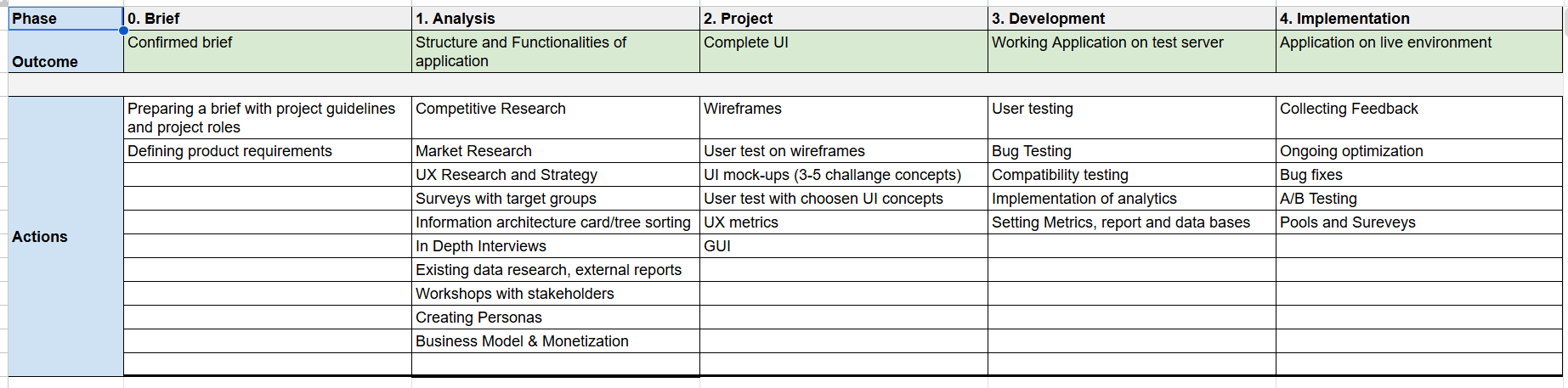
Implemented Design Thinking: ideation workshops; hypothesis mapping; KPI and test plan alignment; A/B and multivariate tests; supplemented by qualitative methods (e.g. interviews, usability checks).

Outcome

Key Insight

A structured, research-driven practice increased experiment volume and quality, with improvements in user journeys and business KPIs.

Project Decision

Oversaw over 90 projects in 2 years, including: AI product page recommendations (+2% basket increase); Markov Chains tool for on-site behaviour mapping; Checkout upsell removal (+0.5 p.p. conversion lift); other tests validated status quo or refined strategies.

Numbers

Over 90 projects; wins (e.g. +2% baskets, +0.5% conversion) prevented misguided changes.

Afterthought

What Worked

A continuous feedback loop across research, product, and business enabled iterative improvements and data-informed decisions.

What Could Be Done Differently

Clarify ownership in select projects; prioritise fewer, higher-impact initiatives over volume.

Key Learnings

Gained experience in Design Thinking workshop facilitation to align stakeholders and generate hypotheses. Developed cross-functional project coordination, managing backlogs and timelines. Learned to synthesise insights from multiple projects into strategic decisions.

Order Fee Optimization

Multivariate Testing Research Project Management Financial Reporting Cross-Functional Leadership Checkout Optimization

Led multivariate tests to refine checkout order fees, visuals, and flow.

Scope of Ownership

As research project manager, I defined hypotheses, selected methodology and KPIs (e.g., conversion rate, revenue per order), conducted analysis, prepared financial reports, and delivered recommendations. Developed a multivariate testing system integrated with the database for real-time metric tracking.

Order Fee Optimization

Impact

Increased conversion rate by 1 percentage point, supporting revenue growth while preserving margins.

Problem & Motivation

Business Goal

Maintain revenue while removing the upsell and improving pricing transparency at checkout.

User Pain

Users reported confusion and unexpected total changes at checkout due to unclear pricing.

Trigger

User feedback pointed to the upsell as a conversion barrier.

My Role

Scope of Ownership

As research project manager, I defined hypotheses, selected methodology and KPIs (e.g., conversion rate, revenue per order), conducted analysis, prepared financial reports, and delivered recommendations. Developed a multivariate testing system integrated with the database for real-time metric tracking.

Collaboration

General Manager, Legal, Marketing, PM, BI, IT

Research Process

Research Goals
  • Determine optimal order fee amounts by price bracket and product type to maintain revenue levels.
  • Optimize visual presentation: fee position in user flow, checkout placement, and inclusion in total price.
  • Evaluate Proprietary Payment Method with and without discounts for profitability.
Method

Ran 3 rounds of multivariate tests on global desktop, testing fee amounts by price bracket, checkout placement, and price display.

Screens

Outcome

Key Insight

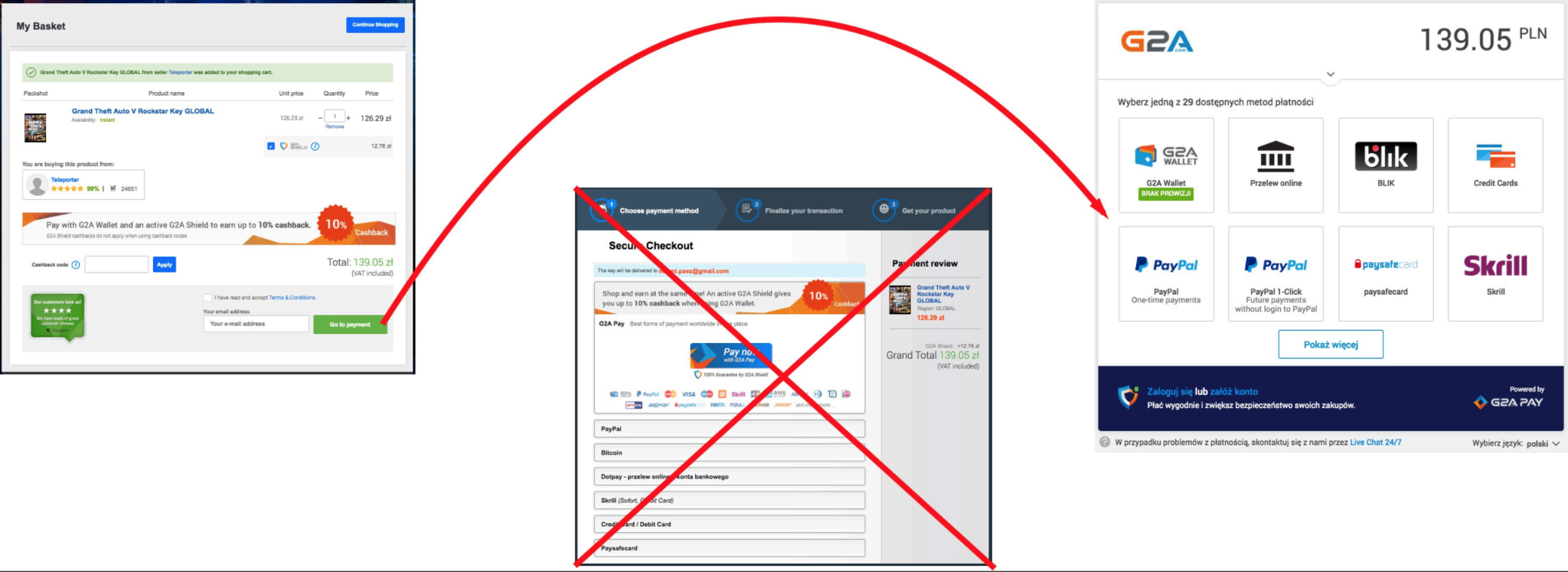
Transparent pricing—with fees shown in totals—maintained KPIs and improved conversion by 1 p.p.

Project Decision

Removed upsell; introduced tiered fees, shown in totals.

Numbers

Conversion rate increased by 1 p.p.

Afterthought

What Worked

Custom multivariate testing system enabled real-time tracking. Cross-team alignment supported implementation.

What Could Be Done Differently

Earlier stakeholder alignment and clearer task delegation (e.g. IT monitoring) could have shortened the timeline.

Key Learnings

Gained experience in a combined PM–UX researcher role, handling technical and legal aspects. Reinforced the value of researcher-led project management for data-driven decisions.

Yearly User Report

Strategic User Insights User Surveys Data Analysis Strategic Reporting Segment Profiling Trend Analysis

Created and led an annual user research report, synthesizing global survey data with internal analytics to inform business strategy.

Scope of Ownership

As creator and lead, I managed the end-to-end process: defined research goals for sociodemographics, gaming behaviors, and purchase patterns; analyzed data for correlations; integrated with internal analytics and prior-year benchmarks; produced visual reports and actionable presentations.

Yearly User Report

Impact

Identified 3–4 key segments and behavioral shifts, guiding management, marketing, and product decisions.

Problem & Motivation

Business Goal

Ground strategic decisions in current customer profiles, not assumptions or outdated research.

User Pain

No unified, regularly updated view of users—leading to fragmented decisions.

Trigger

Not tracking user changes over time meant missing opportunities.

My Role

Scope of Ownership

As creator and lead, I managed the end-to-end process: defined research goals for sociodemographics, gaming behaviors, and purchase patterns; analyzed data for correlations; integrated with internal analytics and prior-year benchmarks; produced visual reports and actionable presentations.

Collaboration

Management, Business, Marketing, Data Analysts

Research Process

Research Goals
  • Profile core users (sociodemographics, motivations, gaming habits).
  • Track changes across segments over time.
  • Validate findings against internal analytics.
Method

Recurring global surveys; quantitative analysis combined with behavioral metrics; trend comparisons with prior years.

Screens

Outcome

Key Insight

The report revealed shifts in profiles, preferences, and behaviour—exposing unnoticed segments and contradictions between assumed and actual behaviour.

Project Decision

Management adopted for targeting; marketing refined offers; product adjusted messaging and priorities based on trends.

Numbers

Globally representative sample; defined 3–4 segments; surfaced significant shifts.

Afterthought

What Worked

Repeatable yearly rhythm closed the gap between one-off analytics and long-term strategic understanding.

What Could Be Done Differently

Integrate earlier into planning cycles; add workshops for broader adoption.

Key Learnings

Combined surveys with analytics for insights beyond individual methods. Repeatable reports build organisational memory and reinforce user-centred decisions.

Shorter Checkout

Funnel Optimization A/B Test Checkout Optimization

Directed end-to-end A/B test as sole UX Researcher to eliminate a redundant checkout step, reducing drop-off.

Scope of Ownership

Sole UX Researcher: defined goals and KPIs, configured and monitored the A/B test, analyzed data, delivered recommendations.

Shorter Checkout

Impact

Increased cart conversion rate by 5 percentage points, enhancing purchase completion and revenue.

Problem & Motivation

Business Goal

Remove the unnecessary step; sustain or improve conversion and revenue.

User Pain

A redundant step repeated information, fostering confusion and abandonment near purchase completion.

Trigger

Analytics showed that extra steps duplicating data increased exit rates.

My Role

Scope of Ownership

Sole UX Researcher: defined goals and KPIs, configured and monitored the A/B test, analyzed data, delivered recommendations.

Collaboration

IT, Business Intelligence

Research Process

Research Goals

Assess the effect of removing the redundant step on cart conversion and purchase completion.

Method

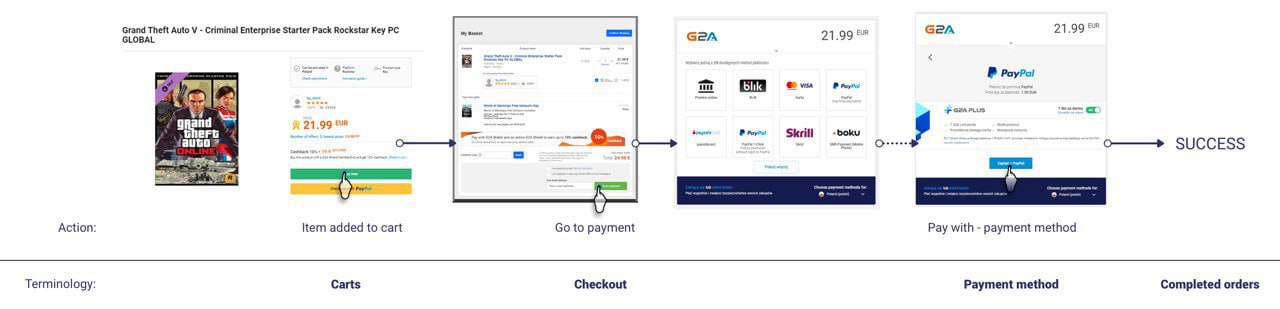
Controlled A/B test: old (two steps) flow vs new (one step) flow. Tracked KPIs via analytics dashboard.

Screens

Outcome

Key Insight

The additional step elevated drop-off rates and failed to retain users at journey end.

Project Decision

Removed the redundant step; consolidated into a single checkout in the payment gateway.

Numbers

Increased cart conversion rate by 5 percentage points, directly improving purchase completion and revenue.

Afterthought

What Worked

Close KPI monitoring and stakeholder alignment enabled rapid decisions.

What Could Be Done Differently

Address technical debt earlier to accelerate implementation.

Key Learnings

Success depended on upstream alignment with dev, business, and shared goals.

First Steps of a New Challenger Bank

Discovery Research Competitive Analysis Stakeholder Alignment Product Strategy Cross-Functional Collaboration Fintech Innovation

Led UX research discovery for a new challenger bank app targeting young users and small businesses, defining niche, USP, and business model.

Scope of Ownership

As UX Researcher in R&D, I led the discovery phase: desk research, competitive analysis, user interviews, surveys, and moderated usability tests. Delivered research summary with feature lists, wireframes, monetization strategies, niches, personas, and USPs.

Challenger Bank

Impact

Enabled progression to planning phase, culminating in the launch of ZEN.COM as a standalone venture.

Problem & Motivation

Business Goal

Launch competitive challenger bank for personal and business users in Europe.

User Pain

Young users and small business owners lacked seamless banking apps with intuitive experiences.

Trigger

Rapid emergence of challenger banks across Europe signaled market opportunity.

My Role

Scope of Ownership

As UX Researcher in R&D, I led the discovery phase: desk research, competitive analysis, user interviews, surveys, and moderated usability tests. Delivered research summary with feature lists, wireframes, monetization strategies, niches, personas, and USPs.

Collaboration

CEO, Product Owner, UX Designer, Market Researcher, Business Analyst

Research Process

Research Goals
  • Identify niche and unique selling propositions (USPs) for differentiation.
  • Validate early business model and monetization paths.
Method

Desk research, competitive benchmarking, user interviews and surveys with target segments.

Screens

Outcome

Key Insight

Two viable niches (young users and SME) emerged with tailored USPs, feature priorities, wireframes, and monetization models.

Project Decision

Advanced to planning phase; initiative spun out as ZEN.COM.

Numbers

Discovery research propelled project from ideation to structured planning and commercialization.

Afterthought

What Worked

Fast-paced, in-person cross-functional collaboration accelerated insights and alignment.

What Could Be Done Differently

Clearer role definitions and aligned visions upfront.

Key Learnings

Bridged UX research with strategic product decisions in fintech. Led high-uncertainty discovery from ideation to commercialization.

Mobile App Purchase Flow

Quick and Dirty Moderated Usability Test Mobile Risk Mitigation Last-Minute Validation Qualitative Insights

Led rapid moderated usability tests to validate redesigned purchase flow and onboarding, preventing a flawed launch.

Scope of Ownership

Designed and ran moderated usability tests under tight constraints; analyzed findings, recommended blocks, advocated for follow-up on pricing flow.

Mobile App Purchase Flow

Impact

Blocked confusing onboarding rollout, averting potential 20-30% drop in new user retention and trust erosion (based on industry benchmarks).

Problem & Motivation

Business Goal

Introduce onboarding; test redesigned purchase flow (search, filters, offers) ahead of launch.

User Pain

New users faced confusion in first impressions, search, filters, and pricing—fostering distrust.

Trigger

User feedback prompted redesign; research brought in pre-release for validation.

My Role

Scope of Ownership

Designed and ran moderated usability tests under tight constraints; analyzed findings, recommended blocks, advocated for follow-up on pricing flow.

Collaboration

Product Owner (Mobile App), UX Designer, IT team

Research Process

Research Goals
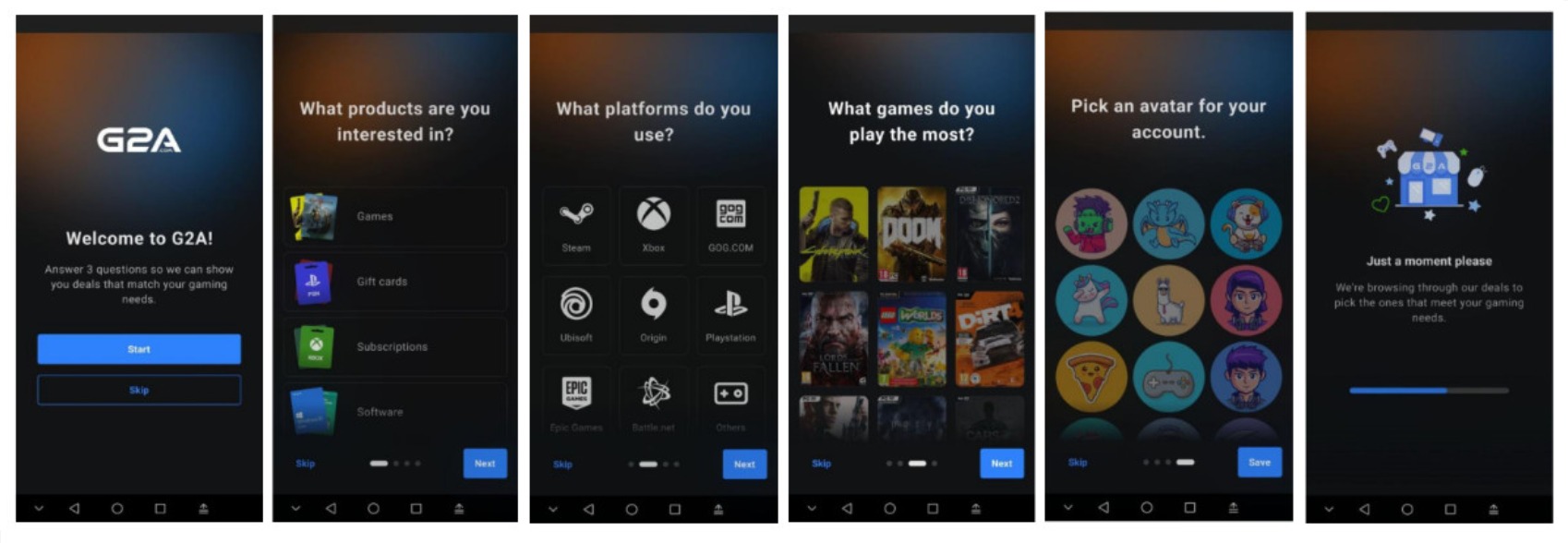
  • Validate new user onboarding for clarity and trust.
  • Probe redesigned purchase flow pain points: search findability, filters, and product page offers.
Method

Moderated usability tests with 5 target users (quick recruitment via network).

Screens

Outcome

Key Insight

Onboarding induced confusion and distrust; purchase flow obscured pricing transparency via unexpected changes.

Project Decision

Scrapped onboarding from release; deferred pricing flow redesign for deeper research.

Numbers

Testing with 5 users surfaced critical issues (per Nielsen's 5-user rule), saving weeks of post-launch fixes.

Afterthought

What Worked

Agile, 'quick & dirty' approach delivered actionable insights under tight constraints.

What Could Be Done Differently

Embed UX research from project kickoff, not end-stage.

Key Learnings

Agile adaptation trumps perfection in fast-paced environments. Quick validation under constraints delivered actionable insights and prevented a flawed launch.

Expertise

Skills & Methods

Methods I use, tools I work with, and how I keep learning.

Research Methods

  • A/B & Multivariate Testing
  • Surveys
  • Analytics & Clickstream Analysis
  • Moderated & Unmoderated Usability Testing
  • In-depth Interviews & Contextual Inquiry
  • Card Sorting & Tree Testing
  • Concept Testing & First-Click Testing
  • Eyetracking
  • Expert Reviews & Heuristic Evaluation

Tools

Data analysis:
Excel (Advanced) BigQuery (basic SQL)
Survey:
Alchemer Survicate SurveyMonkey Typeform Microsoft Forms Google Forms
Usability Testing:
Sharewell Lookback Maze Optimal Workshop
Analytics:
Google Analytics Hotjar Clarity
Project Management:
Confluence Jira Trello
Design tools:
Canva Sketch Figma InVision

Certificates

UX Professional Baymard
Product Analytics Witflow
UX Strategy Fundamentals Joe Natoli
Conducting Usability Testing Interaction Design Foundation
User Methods and Best Practices Interaction Design Foundation

Languages

Polish Native
German Native
English Fluent
Spanish Communicative
Swedish Basic
Russian Basic

Testimonials

What people say

"Współpraca z Melanie to dowód na to, jak ogromny wpływ na biznes potrafi mieć świetny UX Research. (...) Najbardziej imponująca w pracy Melanie jest jej umiejętność łączenia perspektywy użytkownika z celami firmy. (...)"

Maciej Rynarzewski

Strategy Director at ZEN.COM

"During my time at G2A, Melanie was my team leader and my mentor. She is very thorough, pays attention to every small detail and has a very broad knowledge of research methods and cognitive science. (...) As a manager, she was very supportive, offered her help and shared her expertise whenever we needed it. (...)"

Olga Skoczek (Wojnarowska)

UX Researcher at G2A.COM

"I have pleasure to work with Melanie on many projects that focus strongly on UX Research. (...) She's a very knowledgable researcher that has provided critical data and solutions to company's projects and has improved the flow of information across many branches in the company. (...)"

Kamil Rejman

UX Designer at G2A.COM

Contact

Let's work together

If you're building something and want research that drives decisions, let's talk.